



Hey there! As a supplier of Automatic Pedestrian Speed Lanes, I often get asked about whether there are any restrictions on the type of footwear people can wear when using these lanes. It's a valid question, and in this blog, I'll break it down for you.
First off, let's understand what Automatic Pedestrian Speed Lanes are. These are innovative systems designed to move people quickly and efficiently in high - traffic areas like airports, train stations, and large commercial buildings. They work by having a moving surface that transports pedestrians at a faster speed than normal walking, saving time and energy.
When it comes to footwear, the short answer is that there are some general restrictions, but they're mainly in place for safety and the smooth operation of the lanes.
Why Footwear Matters
The main reason we need to consider footwear is the interaction between the shoes and the moving surface of the lane. Different types of shoes can have different levels of grip, which can affect both the user's safety and the performance of the lane.
For example, shoes with very smooth soles, like some dress shoes or high - heeled shoes, can pose a risk. On a moving surface, these shoes might not provide enough traction, increasing the chances of slipping and falling. This is not only dangerous for the individual but can also cause disruptions in the flow of traffic on the lane.
On the other hand, shoes with extremely rough or uneven soles, such as some work boots with large cleats, can also be a problem. These can damage the surface of the lane over time, leading to increased maintenance costs and potential safety hazards for other users.
Recommended Footwear
So, what kind of footwear is best for using Automatic Pedestrian Speed Lanes?
- Flat - soled shoes with good grip: Sneakers are a great choice. They usually have rubber soles that provide a good amount of traction on the moving surface. Whether you're wearing running shoes, casual sneakers, or even some types of skate shoes, as long as they have a flat and grippy sole, you're good to go.
- Low - heeled shoes: If you prefer to wear heels, it's best to choose ones with a low heel (less than 2 inches). High - heeled shoes can be unstable on a moving surface, and the thin heel can also cause damage to the lane.
Restricted Footwear
There are certain types of footwear that are not recommended for use on Automatic Pedestrian Speed Lanes:

- High - heeled shoes: As mentioned earlier, high heels are a no - go. They can cause instability and damage to the lane surface. If you're wearing high heels and need to use the lane, it's best to remove them and carry them, or find an alternative route.
- Shoes with metal studs or spikes: These are a big problem. Metal studs can scratch and damage the lane surface, and they also increase the risk of slipping. This includes some types of sports shoes designed for specific activities like golf or track.
- Slippers or loose - fitting shoes: Slippers can easily come off on a moving surface, creating a tripping hazard for the wearer and others. Loose - fitting shoes can also pose a risk as they might get caught in the mechanisms of the lane.
Our Role as a Supplier
As a supplier of Automatic Pedestrian Speed Lanes, we take the issue of footwear seriously. We provide clear signage at the entrance of the lanes, informing users about the recommended and restricted types of footwear. We also work closely with the facilities where our lanes are installed to ensure that proper maintenance is carried out to keep the lanes in good condition.
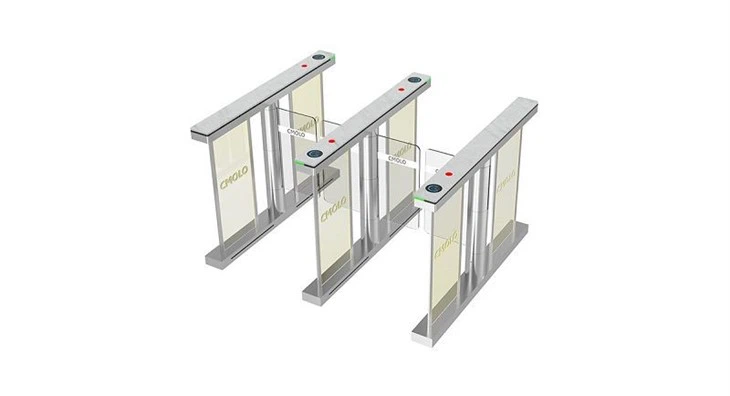
In addition to the footwear restrictions, we also offer a range of related products to enhance the safety and functionality of the pedestrian flow. For example, we have Access Control Speed Gate Turnstile which can be used to regulate the entry and exit of people, ensuring that only authorized individuals can use the lanes. Our Bi - directional Swing Barrier Turnstile is another great option for controlling the flow of pedestrians in both directions. And if you need a more compact solution, our Access Control Half Height Turnstile is a perfect fit.
Conclusion
In conclusion, while there are some restrictions on the type of footwear for using Automatic Pedestrian Speed Lanes, they are in place for good reasons. By following these guidelines, users can ensure their own safety and the smooth operation of the lanes.
If you're interested in purchasing Automatic Pedestrian Speed Lanes or any of our related products, we'd love to have a chat with you. We can provide more detailed information, answer your questions, and help you find the best solution for your specific needs. So, don't hesitate to reach out and start a conversation about how we can work together to improve the pedestrian flow in your facility.
References
- Industry research on pedestrian safety in high - traffic areas.
- Manufacturer's guidelines for Automatic Pedestrian Speed Lanes maintenance.


