



Yo, I'm an Automatic Pedestrian Speed Lanes supplier, and I often get asked: "Do Automatic Pedestrian Speed Lanes need a power source?" Well, let's dive right into this juicy topic and break it down.
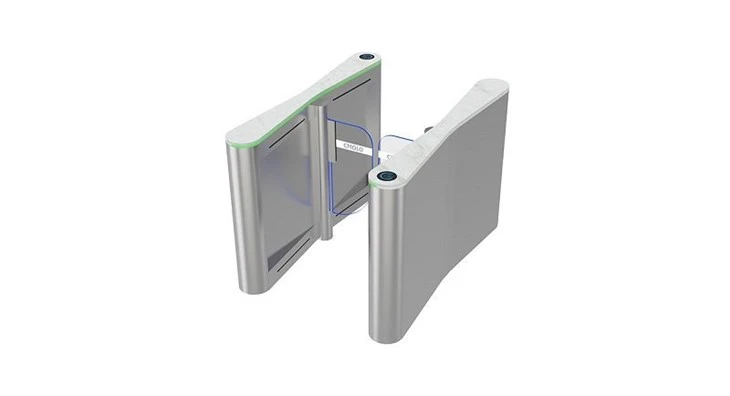
First off, let me give you a quick rundown of what Automatic Pedestrian Speed Lanes are. They're these nifty systems that are designed to manage the flow of foot traffic in high - traffic areas like airports, train stations, shopping malls, and corporate buildings. They can quickly and efficiently process a large number of people, and they're usually installed alongside access control systems to ensure security.
Now, back to the question at hand. Do they need a power source? The short answer is yes, most of them do. And there are a few good reasons for that.
Why a Power Source is Necessary
1. Operation of Moving Parts
Automatic Pedestrian Speed Lanes have a lot of moving parts. You've got the barriers that swing open and closed, the sensors that detect when a person is approaching or passing through, and the motors that power these movements. All of these components require electrical energy to function. Without a power source, the barriers wouldn't move, and the sensors wouldn't be able to detect pedestrians. It'd be like a car without an engine - completely useless.
Take Automatic Security Swing Turnstile, for example. These turnstiles are an integral part of many Automatic Pedestrian Speed Lanes systems. The swing mechanism needs power to operate smoothly, allowing it to open and close rapidly to keep the foot traffic moving.
2. Integration with Access Control Systems
Most Automatic Pedestrian Speed Lanes are integrated with access control systems. This means that they need to communicate with other devices like card readers, biometric scanners, or keypads. These access control devices require power to read the credentials of the users and transmit the information to the turnstiles. Additionally, the control unit of the speed lanes, which manages the overall operation and decides whether to grant or deny access, also runs on electricity.
For instance, the Access Control Half Height Turnstile often works in conjunction with card readers. The card reader needs power to scan the access cards, and the turnstile needs to receive the signal from the card reader to determine if the person can pass through.
3. Monitoring and Reporting
Many modern Automatic Pedestrian Speed Lanes come with monitoring and reporting capabilities. They can track the number of people passing through, the times of entry and exit, and even detect unusual activities like tailgating. These features rely on software and hardware that need power to operate. The data collected is often sent to a central server for further analysis, which also requires an electrical connection.

Are There Any Exceptions?
Well, there are some very basic mechanical pedestrian speed barriers that don't need a power source. These are typically simple swing gates that can be manually pushed open. However, these are not true "automatic" speed lanes. They lack the advanced features like sensor - based access control, rapid operation, and real - time monitoring.
If you're talking about a fully functional Automatic Pedestrian Speed Lanes system that can handle large volumes of foot traffic and ensure high - level security, a power source is a must.
Power Sources for Automatic Pedestrian Speed Lanes
1. Main Power Supply
The most common power source for these systems is the main electrical grid. Just like any other electrical appliance in a building, the speed lanes are connected to the building's power system. This provides a stable and consistent source of power, ensuring that the lanes can operate 24/7 without any interruptions.
2. Backup Power Systems
However, relying solely on the main power supply can be risky. Power outages can happen due to various reasons like storms, electrical faults, or maintenance work. That's why many installations also include backup power systems, such as uninterruptible power supplies (UPS). A UPS can provide temporary power during a blackout, allowing the speed lanes to continue operating for a certain period. This is crucial for maintaining security and traffic flow, especially in critical facilities.
Cost Considerations
Sure, having a power source means there will be some costs associated with it. The initial installation of the electrical wiring and connection to the power grid can be a part of the overall setup cost. And then there are the ongoing electricity bills. However, when you consider the benefits that Automatic Pedestrian Speed Lanes bring, such as increased security, improved traffic management, and enhanced user experience, the cost of power is a small price to pay.
Conclusion
So, to sum it all up, yes, Automatic Pedestrian Speed Lanes need a power source. From powering the moving parts to integrating with access control systems and enabling monitoring features, electricity is essential for their proper operation. While there are some basic non - powered alternatives, they don't offer the same level of functionality as a full - fledged automatic system.
If you're in the market for Automatic Pedestrian Speed Lanes, and you've got questions about power requirements or any other aspect of the system, don't hesitate to reach out. We're here to help you find the best solution for your specific needs. Whether you're setting up a new building or upgrading an existing one, we've got the expertise to guide you through the process. So, let's start a conversation about how we can get your Automatic Pedestrian Speed Lanes up and running!
And if you're also interested in other turnstile options like Bi - directional Swing Barrier Turnstile for your project, we've got you covered too.
References
- General knowledge about Automatic Pedestrian Speed Lanes from industry experience.
- Technical specifications of related turnstile products.


