



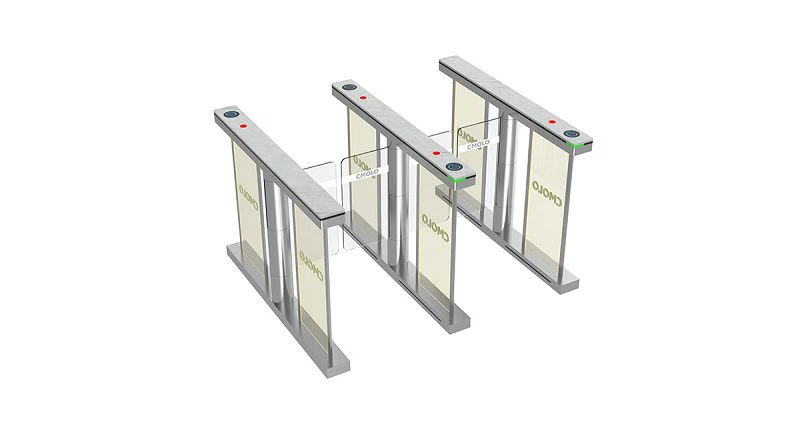
In the dynamic landscape of modern urban infrastructure, Automatic Pedestrian Speed Lanes have emerged as a crucial component, facilitating efficient and secure movement of people in various high - traffic areas such as airports, train stations, corporate buildings, and large shopping malls. However, like any technological system, these lanes are not without risks. In this blog, we will explore the potential risks associated with Automatic Pedestrian Speed Lanes and discuss effective strategies to mitigate them.
Potential Risks in Automatic Pedestrian Speed Lanes
1. Technical Failures
One of the most significant risks is technical malfunctions. These can range from minor glitches, such as sensor errors that misread a pedestrian's movement, to major breakdowns that halt the entire lane operation. For example, if the infrared sensors in the lane fail to detect a person's presence accurately, it may lead to the turnstile closing prematurely, causing injury to the pedestrian.

2. Security Breaches
With the increasing sophistication of security threats, Automatic Pedestrian Speed Lanes are vulnerable to unauthorized access. Hackers may attempt to bypass the access control systems, allowing unauthorized individuals to enter restricted areas. Additionally, tailgating, where a non - authorized person follows closely behind an authorized one through the turnstile, is a common security risk.
3. Safety Hazards
Physical safety is a major concern. In high - traffic situations, there is a risk of collisions between pedestrians, especially if the speed of the lanes is not well - regulated. Also, in case of power outages or emergency situations, the turnstiles may not open quickly enough, potentially trapping people inside the lanes.
4. Maintenance Neglect
Lack of regular maintenance can exacerbate the above - mentioned risks. Over time, mechanical parts may wear out, and software may become outdated, increasing the likelihood of technical failures and security vulnerabilities.
Mitigation Strategies
1. Reducing Technical Failures
- Regular Testing and Monitoring: Implement a comprehensive testing regime for all components of the Automatic Pedestrian Speed Lanes. This includes daily functional tests of sensors, motors, and control systems. Continuous monitoring can detect early signs of malfunctions, allowing for timely repairs. For instance, using remote monitoring software, technicians can receive real - time alerts about any abnormal readings from the sensors.
- Redundancy Systems: Incorporate redundant components in the design of the lanes. For example, having backup sensors and power supplies can ensure that the system continues to function even if one component fails. This way, a single point of failure will not bring down the entire lane operation.
2. Strengthening Security
- Advanced Access Control Technologies: Utilize state - of - the - art access control systems such as biometric scanners (fingerprint, facial recognition) and smart card readers. These technologies provide a higher level of security compared to traditional key cards. For example, facial recognition systems can quickly and accurately identify authorized individuals, reducing the risk of tailgating.
- Surveillance and Analytics: Install high - definition cameras along the lanes and use video analytics software to detect suspicious behavior. The software can be programmed to alert security personnel in case of tailgating or other security breaches. Moreover, integrating the access control system with the surveillance system can provide a more comprehensive security solution.
- Secure Software Development: Ensure that the software used in the Automatic Pedestrian Speed Lanes is developed with security in mind. Regularly update the software to patch any security vulnerabilities. This includes using encryption to protect data transmitted between different components of the system.
3. Enhancing Safety
- Speed Regulation: Set appropriate speed limits for the lanes based on the traffic volume and the type of location. In areas with high - footfall, a slower speed may be more appropriate to reduce the risk of collisions. Additionally, implement speed sensors that can automatically adjust the speed of the lane in real - time based on the number of pedestrians.
- Emergency Egress Features: Design the turnstiles to open automatically in case of power outages, fires, or other emergencies. Provide clear emergency exit signs and ensure that the lanes are wide enough to allow for quick evacuation. Conduct regular emergency drills to familiarize pedestrians with the emergency procedures.
4. Proper Maintenance
- Scheduled Maintenance Plans: Develop a detailed maintenance schedule that includes regular inspections, cleaning, and lubrication of mechanical parts. Replace worn - out components in a timely manner to prevent further damage. For example, the bearings in the turnstile motors should be inspected and replaced at regular intervals.
- Training for Maintenance Staff: Ensure that the maintenance staff is well - trained in the operation and maintenance of the Automatic Pedestrian Speed Lanes. Provide them with the necessary tools and resources to perform their tasks effectively. Regular training sessions can keep the staff updated on the latest maintenance techniques and safety procedures.
Our Product Solutions
As a leading supplier of Automatic Pedestrian Speed Lanes, we offer a range of products that are designed to address these risks effectively. Our Bi - directional Swing Barrier Turnstile provides a high - level of security with its robust design and advanced access control features. The swing barriers are made of high - strength materials, ensuring durability and reliability.
Our Slim Automatic Speed Gate Turnstile System is ideal for areas with limited space. It combines speed and safety, with adjustable speed settings and advanced sensors to detect pedestrian movement accurately.
The Pedestrian Controlled Contactless Optical Turnstile Gate offers a contactless and hygienic solution, which is especially important in the current pandemic situation. It uses optical sensors to detect pedestrians, reducing the risk of mechanical failures associated with traditional turnstiles.
Conclusion
Automatic Pedestrian Speed Lanes are an essential part of modern infrastructure, but they come with inherent risks. By implementing the mitigation strategies discussed above and using our high - quality products, these risks can be effectively managed. Whether you are an airport operator, a corporate building manager, or a shopping mall owner, ensuring the safety, security, and reliability of your pedestrian flow is crucial.
If you are interested in learning more about our Automatic Pedestrian Speed Lanes or would like to discuss your specific requirements, we encourage you to contact us for a procurement negotiation. Our team of experts is ready to provide you with customized solutions that meet your needs.
References
- "Handbook of Security Technology" by Peter W. Swatman and Peter C. Swatman.
- "Urban Infrastructure Design and Management" by John Smith.
- Industry reports on Automatic Pedestrian Speed Lanes from leading market research firms.


