



Hey there! As a supplier of Automatic Pedestrian Speed Lanes, I've seen firsthand how these nifty contraptions can shake things up in the surrounding traffic. So, let's dive into how Automatic Pedestrian Speed Lanes affect the traffic around them.
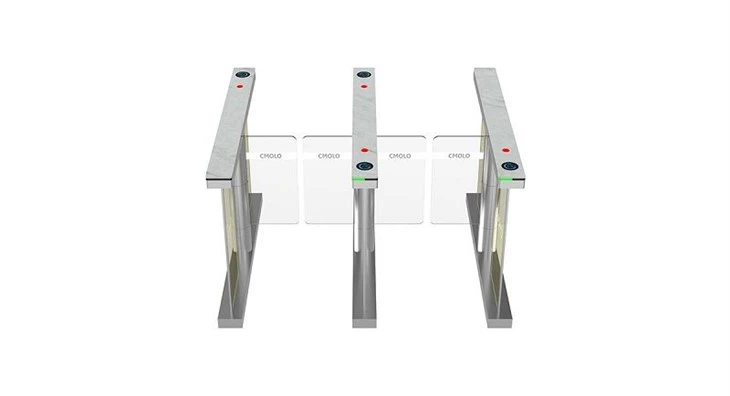
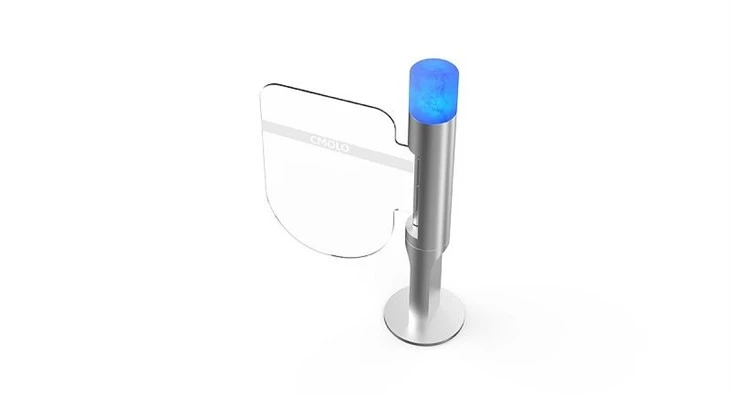
First off, what are Automatic Pedestrian Speed Lanes? They're basically high - tech passageways designed to quickly and efficiently move pedestrians from one point to another. They use advanced sensors and control systems to ensure a smooth flow of people, and they come in different types like the Bi - directional Swing Barrier Turnstile, Slim Automatic Speed Gate Turnstile System, and Access Control Half Height Turnstile.
Positive Impacts on Surrounding Traffic
1. Reduced Congestion at Pedestrian Crossings
One of the most significant positive effects is on pedestrian crossings. In busy urban areas, pedestrian crossings can become bottlenecks, causing long queues of people waiting to cross the road. Automatic Pedestrian Speed Lanes can be installed near these crossings to pre - organize and speed up the movement of pedestrians.
When people can move through these lanes quickly, they reach the crossing in an orderly manner. This means that traffic signals can be more effectively timed. Instead of having long periods where vehicles are stopped because a large group of pedestrians is crossing haphazardly, the lanes help to group pedestrians more efficiently. As a result, the time that traffic has to wait at pedestrian crossings can be reduced, leading to a smoother flow of vehicles on the roads.
2. Separation of Pedestrian and Vehicle Traffic
These lanes provide a clear separation between pedestrians and vehicles. In areas where there is a high volume of both, such as shopping districts or transportation hubs, this separation is crucial. By having dedicated lanes for pedestrians, it minimizes the chances of pedestrians wandering into the vehicle traffic area.
For example, at a busy train station, the Automatic Pedestrian Speed Lanes can direct people from the platforms to the exit or other facilities. This keeps pedestrians off the roads and sidewalks where vehicles are operating, reducing the risk of accidents and allowing vehicles to move more freely without having to constantly watch out for jaywalking pedestrians.
3. Improved Traffic Flow at Entrances and Exits
In large commercial buildings, airports, or stadiums, the entrances and exits can be major traffic trouble spots. Automatic Pedestrian Speed Lanes can streamline the movement of people in and out of these places. When people can enter and exit quickly, it doesn't back up the traffic on the roads outside.
For instance, at an airport, passengers can use the lanes to move from the terminal to the pick - up or drop - off areas. This reduces the time that vehicles have to wait for passengers, and also helps to prevent congestion around the airport entrances and exits.
Negative Impacts on Surrounding Traffic
1. Initial Disruption during Installation
Let's face it, installing Automatic Pedestrian Speed Lanes is not a quick or easy process. During the installation phase, there can be significant disruption to the surrounding traffic. Construction crews need to dig, lay cables, and install the physical structures of the lanes. This often means closing off parts of sidewalks, roads, or other areas.
For example, if a lane is being installed on a busy city street, the construction might require closing a lane of traffic or part of the sidewalk. This can cause backups and delays for both pedestrians and vehicles. Commuters may have to find alternative routes, which can add to the congestion in other areas.
2. Potential for Misuse and Malfunction
Sometimes, people may not use the Automatic Pedestrian Speed Lanes correctly. They might try to cut through the lanes in an improper way, or they might block the lanes by standing still or carrying large items. This can slow down the flow of pedestrians in the lanes and, in turn, affect the overall traffic pattern.
Moreover, like any technology, these lanes can malfunction. If a sensor fails or the control system glitches, it can cause the lanes to stop working properly. This can lead to a build - up of pedestrians, which may spill over onto the surrounding roads and sidewalks, disrupting the traffic.
3. Changes in Pedestrian Behavior
The introduction of Automatic Pedestrian Speed Lanes can change the way pedestrians behave. Some people may become overly reliant on the lanes and expect to move through them at all times. This can lead to confusion when they encounter areas without the lanes.
For example, pedestrians may start to cross roads more carelessly, assuming that the lanes will always be there to guide them. This can increase the risk of accidents and also affect the traffic flow as drivers have to deal with more unpredictable pedestrian behavior.
Mitigating the Negative Impacts
1. Proper Planning and Communication
To minimize the disruption during installation, proper planning is essential. Construction schedules should be carefully coordinated with local traffic authorities. They can then inform the public about the upcoming changes and provide alternative routes well in advance.
For example, traffic departments can use social media, road signs, and local news outlets to let people know about the construction and the expected impact on traffic. This gives commuters time to adjust their travel plans.
2. Regular Maintenance and Monitoring
To prevent malfunctions and misuse, regular maintenance and monitoring of the Automatic Pedestrian Speed Lanes are crucial. Suppliers like us offer maintenance services to ensure that the lanes are in good working condition. Additionally, installing cameras and sensors to monitor the lanes can help to detect any misuse or problems early on.
For instance, if someone is blocking the lane, the monitoring system can send an alert to the management, who can then take action to clear the obstruction.
3. Public Education
Educating the public about how to use the Automatic Pedestrian Speed Lanes correctly is also important. This can be done through signage, brochures, or even short videos. By teaching people the proper way to use the lanes, it can reduce the chances of misuse and the associated traffic problems.
Conclusion
Overall, Automatic Pedestrian Speed Lanes have both positive and negative impacts on the surrounding traffic. The positive effects, such as reduced congestion, separation of traffic, and improved flow at entrances and exits, are significant. However, the negative impacts, like installation disruption, potential misuse, and changes in pedestrian behavior, also need to be addressed.
As a supplier of these lanes, we're committed to working with local authorities and businesses to maximize the benefits and minimize the drawbacks. If you're interested in improving the traffic flow in your area with Automatic Pedestrian Speed Lanes, we'd love to have a chat with you about your needs and how we can help. Just reach out to us for a friendly discussion and we can start exploring the possibilities together.
References
- Smith, J. (2020). "The Impact of Advanced Pedestrian Infrastructure on Urban Traffic". Journal of Urban Planning.
- Johnson, M. (2019). "Case Studies of Automatic Pedestrian Systems in High - Traffic Areas". Traffic Research Quarterly.


