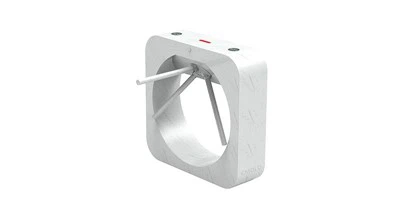
Hey there! As a supplier of Smart Sliding Optical Turnstile Gates, I often get asked about the materials used in the sliding panels of these high - tech gates. In this blog, I'm gonna break down all the ins and outs of what goes into making these crucial components.
Let's start with the basics. The sliding panels in a Smart Sliding Optical Turnstile Gate are key elements. They're not just there for show; they play a vital role in the gate's functionality, security, and overall aesthetic.
Glass
One of the most common materials for sliding panels is glass. Specifically, tempered glass is a top choice. Tempered glass is super strong. It goes through a special heat - treatment process that makes it about four to five times stronger than regular glass. This means it can withstand a fair amount of impact without shattering easily. If someone accidentally bumps into the panel or there's a minor collision, tempered glass is less likely to break into sharp, dangerous pieces. Instead, it breaks into small, relatively harmless granules.
From a security perspective, tempered glass provides a good level of protection. It can resist attempts at forced entry to a certain extent, which is essential for a turnstile gate that's often used in areas where access control is important, like office buildings, airports, and stadiums.
Aesthetically, glass gives a modern and sleek look to the turnstile gate. It's transparent, which allows for good visibility on both sides of the gate. This is great for creating an open and inviting atmosphere in a building lobby or a public area. You can check out our Smart Sliding Optical Turnstile Gate to see how glass panels enhance the overall design.
Polycarbonate
Polycarbonate is another material that's used for sliding panels. It's a type of thermoplastic that's known for its high impact resistance. In fact, polycarbonate is often used in applications where safety and durability are a must, like bullet - resistant windows and safety goggles.
When it comes to turnstile gates, polycarbonate panels can take a beating. They're less likely to crack or break under heavy impact compared to some other materials. This makes them a great option for high - traffic areas where there's a higher risk of accidental damage.
Polycarbonate is also lightweight, which can be an advantage when it comes to the operation of the turnstile gate. Lighter panels require less energy to move, which can contribute to the overall energy efficiency of the gate. Additionally, polycarbonate can be easily molded into different shapes and sizes, giving designers more flexibility when it comes to the gate's design.
Aluminum Alloy
Aluminum alloy is a popular choice for the frame and sometimes the structure of the sliding panels. Aluminum is lightweight yet strong. It has a high strength - to - weight ratio, which means it can provide good structural support without adding too much weight to the gate.
One of the big benefits of aluminum alloy is its corrosion resistance. It doesn't rust like iron or steel, which makes it ideal for outdoor use or in areas with high humidity. This ensures that the turnstile gate will maintain its structural integrity over time, even in harsh environmental conditions.
Aluminum alloy can also be easily finished with different coatings to enhance its appearance. You can get it in a variety of colors, from classic silver to more vibrant hues, to match the overall design of the building or the area where the gate is installed.
Stainless Steel
Stainless steel is another material that might be used, especially for the edges or some of the more critical parts of the sliding panels. Stainless steel is highly resistant to corrosion and staining. It has a clean and professional look that can add a touch of elegance to the turnstile gate.
It's also very strong and durable. Stainless steel can withstand wear and tear over a long period of time, making it a reliable choice for a turnstile gate that needs to operate continuously. Whether it's in a busy subway station or a corporate office, stainless steel parts can keep the gate looking good and functioning properly.
Composite Materials
Some manufacturers are starting to use composite materials for sliding panels. Composite materials are made by combining two or more different materials to get the best properties of each. For example, you might have a composite panel that combines the strength of a fiber - reinforced plastic with the aesthetic appeal of a decorative layer.
Composite materials can be tailored to meet specific requirements. They can be designed to be lightweight, strong, and resistant to various environmental factors. This flexibility makes them an interesting option for the future of turnstile gate design.
Comparison of Materials
Now that we've talked about the different materials, let's do a quick comparison.
| Material | Strength | Impact Resistance | Aesthetic | Corrosion Resistance | Weight |
|---|---|---|---|---|---|
| Tempered Glass | High | Moderate - High | Excellent | High | Moderate |
| Polycarbonate | High | Very High | Good | High | Low |
| Aluminum Alloy | High | Moderate | Good | Very High | Low |
| Stainless Steel | High | High | Excellent | Very High | Moderate - High |
| Composite Materials | Varies | Varies | Varies | Varies | Varies |
When choosing the material for the sliding panels of a Smart Sliding Optical Turnstile Gate, several factors need to be considered. The location of the gate, the level of traffic, the security requirements, and the overall design of the area all play a role.
For a low - traffic area in an office building where aesthetics are important, tempered glass might be the best choice. It gives a modern and elegant look while still providing a reasonable level of security. On the other hand, in a high - traffic outdoor area like a sports stadium, polycarbonate or aluminum alloy might be more suitable due to their high impact resistance and corrosion resistance.
If you're looking for a turnstile gate with a great balance of style and functionality, you might want to check out our Low - door Optical Speed Gate. It features high - quality sliding panels made from carefully selected materials to ensure long - lasting performance.


Conclusion
In conclusion, the materials used in the sliding panels of a Smart Sliding Optical Turnstile Gate are diverse, each with its own set of advantages. Whether it's the transparency and modern look of glass, the high impact resistance of polycarbonate, the strength and corrosion resistance of aluminum alloy and stainless steel, or the flexibility of composite materials, there's a material to suit every need.
If you're in the market for a Smart Sliding Optical Turnstile Gate, I encourage you to reach out to discuss your specific requirements. We can help you choose the right materials for your sliding panels to ensure that your turnstile gate not only looks great but also performs flawlessly. Contact us today to start the procurement process and let's find the perfect turnstile gate solution for you.
References
- "Materials Science and Engineering: An Introduction" by William D. Callister Jr. and David G. Rethwisch
- Industry reports on turnstile gate manufacturing and materials usage