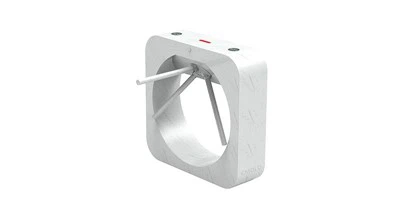
As a supplier of Automatic Pedestrian Speed Lanes, I've witnessed firsthand the transformative impact these systems can have on traffic flow management. In this blog, I'll delve into the strategies that underpin effective traffic flow management for Automatic Pedestrian Speed Lanes, exploring how they optimize movement, enhance safety, and improve overall efficiency in various settings.
Understanding the Basics of Automatic Pedestrian Speed Lanes
Automatic Pedestrian Speed Lanes are designed to regulate the flow of pedestrian traffic in high - volume areas. These lanes use advanced sensors, gates, and control systems to ensure that pedestrians move smoothly and safely. The primary goal is to reduce congestion, minimize bottlenecks, and enhance the overall experience for users.
One of the key features of these lanes is their ability to adapt to different traffic conditions. For example, during peak hours, the lanes can be configured to allow for a higher flow rate, while during off - peak times, they can be adjusted to provide a more controlled and secure passage. This flexibility is crucial in managing traffic flow effectively.


Traffic Flow Management Strategies
1. Zoning and Segmentation
A fundamental strategy in traffic flow management for Automatic Pedestrian Speed Lanes is zoning and segmentation. By dividing the pedestrian area into different zones, we can better control the movement of people. For instance, we can create separate lanes for incoming and outgoing traffic, or for different types of users such as commuters, visitors, and employees.
This segmentation helps to prevent conflicts and reduce the chances of congestion. For example, in a large transportation hub like an airport or a railway station, creating dedicated lanes for passengers with and without luggage can significantly improve the flow of traffic. Our Access Control Speed Gate Turnstile can be used to enforce these zones, ensuring that only authorized pedestrians enter specific areas.
2. Dynamic Flow Adjustment
Another important strategy is dynamic flow adjustment. Automatic Pedestrian Speed Lanes are equipped with sensors that can detect the volume and speed of pedestrian traffic in real - time. Based on this data, the system can automatically adjust the speed and width of the lanes to optimize the flow.
During periods of high traffic, the lanes can be widened, and the speed of the gates can be increased to allow more pedestrians to pass through. Conversely, during low - traffic periods, the lanes can be narrowed, and the gates can operate at a slower pace to conserve energy and enhance security. This dynamic adjustment ensures that the system is always operating at its most efficient level.
3. Integration with Other Systems
To achieve seamless traffic flow management, it's essential to integrate Automatic Pedestrian Speed Lanes with other systems. For example, they can be integrated with access control systems, ticketing systems, and security monitoring systems.
When integrated with an access control system, the lanes can automatically grant or deny access based on the user's credentials. This not only enhances security but also streamlines the entry process. Our Automatic Security Swing Turnstile is an excellent example of a product that can be easily integrated with various access control systems.
Integration with ticketing systems is also crucial, especially in transportation settings. The Pedestrian Controlled Metro Platform Validator Machine can be used to validate tickets or passes, allowing only valid passengers to enter the platform. This integration helps to prevent fare evasion and ensures a smooth flow of passengers.
4. Wayfinding and Signage
Effective wayfinding and signage are often overlooked but are critical for traffic flow management. Clear and visible signage can guide pedestrians to the appropriate lanes, reducing confusion and congestion. Signage should indicate the purpose of each lane, the direction of travel, and any special instructions or restrictions.
In addition to physical signage, digital displays can also be used to provide real - time information to pedestrians. For example, displays can show the estimated wait time, the status of the lanes, and any changes in the traffic flow. This information helps pedestrians make informed decisions and move more efficiently through the lanes.
Benefits of Effective Traffic Flow Management
Implementing these traffic flow management strategies for Automatic Pedestrian Speed Lanes offers several benefits.
1. Improved Efficiency
By optimizing the flow of pedestrian traffic, these strategies can significantly improve the efficiency of the overall system. Reduced congestion means that pedestrians can reach their destinations faster, which is especially important in time - sensitive environments such as transportation hubs and business centers.
2. Enhanced Safety
Effective traffic flow management also enhances safety. By segregating different types of traffic and controlling the speed of movement, the risk of accidents and collisions is reduced. Additionally, the integration with security systems helps to prevent unauthorized access and potential security threats.
3. Better User Experience
A smooth and efficient pedestrian flow leads to a better user experience. Pedestrians are less likely to feel frustrated or stressed when they can move through the lanes quickly and easily. This positive experience can improve customer satisfaction and loyalty, especially in commercial and public service settings.
Conclusion
In conclusion, traffic flow management for Automatic Pedestrian Speed Lanes is a complex but essential task. By implementing strategies such as zoning and segmentation, dynamic flow adjustment, integration with other systems, and effective wayfinding and signage, we can optimize the movement of pedestrians, enhance safety, and improve overall efficiency.
As a supplier of Automatic Pedestrian Speed Lanes, we are committed to providing high - quality products and solutions that incorporate these strategies. Our range of turnstiles and validator machines, such as the Access Control Speed Gate Turnstile, Automatic Security Swing Turnstile, and Pedestrian Controlled Metro Platform Validator Machine, are designed to meet the diverse needs of different applications.
If you are interested in learning more about our Automatic Pedestrian Speed Lanes and how they can improve traffic flow management in your facility, please feel free to reach out to us. We are ready to discuss your specific requirements and provide you with customized solutions.
References
- "Pedestrian Flow Modeling and Simulation: A Review" by M. Hoogendoorn and P. Bovy.
- "Traffic Flow Theory: A Monograph" by R. Herman and I. Prigogine.
- "Access Control Systems for Buildings and Facilities" by S. Fennelly.