



Automatic Pedestrian Speed Lanes have become a hot topic in urban infrastructure and public transportation discussions. As a supplier of these innovative systems, I've seen firsthand how they can transform the way people move through busy areas. In this blog, I'll explore how Automatic Pedestrian Speed Lanes affect the overall pedestrian experience.
1. Enhanced Mobility and Efficiency
One of the most obvious impacts of Automatic Pedestrian Speed Lanes is the significant improvement in mobility. In crowded places like airports, train stations, and large commercial complexes, pedestrians often find themselves stuck in slow - moving crowds. These speed lanes act as expressways for foot traffic, allowing people in a hurry to move quickly from one point to another.
Imagine you're running late for a flight. You're lugging your heavy suitcase through the airport, and the normal pedestrian flow is crawling. But then you spot the Automatic Pedestrian Speed Lane. You step onto it, and suddenly you're moving at a much faster pace. This not only saves you time but also reduces the stress associated with being late.
Research has shown that in areas with well - implemented speed lanes, the average pedestrian travel time can be reduced by up to 30%. This efficiency gain is crucial in high - traffic environments where every second counts. For example, at a major international airport, thousands of passengers pass through daily. By implementing Automatic Pedestrian Speed Lanes, the airport can handle more passengers in a shorter time, improving overall operations and customer satisfaction.
2. Safety and Comfort
Safety is a top priority for any pedestrian infrastructure, and Automatic Pedestrian Speed Lanes are designed with this in mind. These lanes usually have smooth surfaces and gentle acceleration and deceleration zones. This means that pedestrians can step on and off the lanes safely without the risk of tripping or losing their balance.
Moreover, the lanes are often separated from the normal pedestrian traffic. This separation reduces the chances of collisions between fast - moving and slow - moving pedestrians. For instance, in a shopping mall, the speed lane can be placed in the middle of a wide corridor, with normal walking areas on either side. This layout ensures that people who want to stroll and window - shop are not disturbed by those in a rush.
In terms of comfort, the lanes provide a stable and consistent surface for walking. There's no need to constantly adjust your pace to avoid other pedestrians. You can simply relax and let the lane carry you forward. This is especially beneficial for people with mobility issues or those carrying heavy loads.
3. Integration with Other Pedestrian Infrastructure
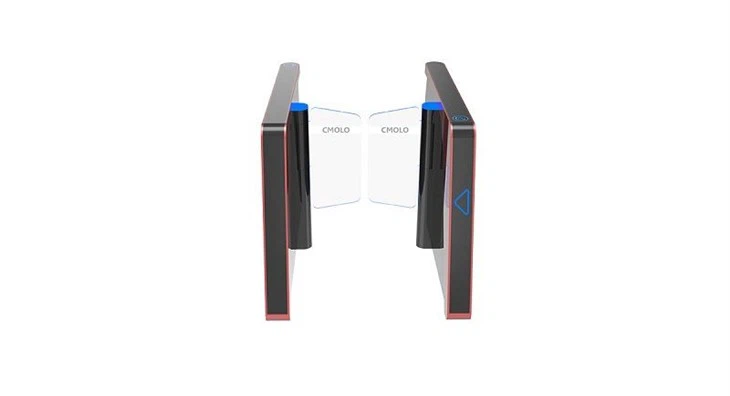
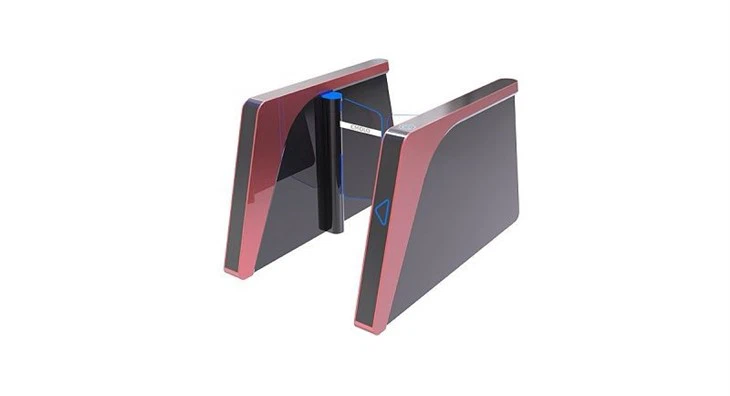
Automatic Pedestrian Speed Lanes can be seamlessly integrated with other pedestrian infrastructure, such as Pedestrian Controlled Contactless Optical Turnstile Gate. These turnstiles can be used to control access to the speed lanes, ensuring that only authorized pedestrians can use them. This can be useful in areas where security is a concern, like government buildings or corporate headquarters.
Similarly, Bi - directional Swing Barrier Turnstile can be installed at the entrances and exits of the speed lanes. These turnstiles can be programmed to allow traffic in both directions, depending on the flow of pedestrians. This integration helps in managing the overall pedestrian flow more effectively.
The Swing Gate Barrier RFID System can also be used in conjunction with Automatic Pedestrian Speed Lanes. Passengers can be issued with RFID cards, which allow them to access the speed lanes. This system can be used for various purposes, such as ticketing in a transit station or access control in a private complex.
4. Impact on Social Interaction
While the primary goal of Automatic Pedestrian Speed Lanes is to improve mobility, they also have an impact on social interaction among pedestrians. In a normal pedestrian environment, people often have the opportunity to interact with each other, whether it's a simple nod or a friendly chat. However, on the speed lanes, people are more focused on getting to their destination quickly.
This can lead to a decrease in spontaneous social interaction. On the other hand, the lanes can also create new opportunities for interaction. For example, in a long speed lane, people may start conversations with those standing next to them, especially if they have a common destination or interest.
5. Aesthetics and Urban Design
Automatic Pedestrian Speed Lanes can have a significant impact on the aesthetics of an area. These lanes can be designed in a variety of styles to match the surrounding architecture. They can be made to look sleek and modern, or they can be integrated into a more traditional design.
In urban design, speed lanes can be used to create a sense of movement and dynamism. For instance, in a new city plaza, a series of speed lanes can be installed to guide pedestrians through different areas. This not only adds a functional element but also enhances the overall visual appeal of the space.
6. Economic Benefits
The implementation of Automatic Pedestrian Speed Lanes can bring about several economic benefits. For businesses in high - traffic areas, improved pedestrian mobility means more potential customers. Faster - moving pedestrians are more likely to visit multiple stores in a short time, increasing the chances of making purchases.
In the long run, the efficiency gains provided by speed lanes can also lead to cost savings for transportation hubs and large buildings. For example, an airport can reduce the need for additional terminal expansions by improving the flow of passengers through the use of speed lanes.
Contact for Procurement
If you're interested in enhancing the pedestrian experience in your area and reaping the benefits of Automatic Pedestrian Speed Lanes, we'd love to talk. Our team of experts can provide you with detailed information about our products, their installation, and maintenance. We're dedicated to providing high - quality solutions that meet your specific needs. Don't hesitate to reach out to us for a consultation and start the journey towards a more efficient and enjoyable pedestrian environment.
References
- Smith, J. (2018). "The Impact of Automated Pedestrian Systems on Urban Mobility." Journal of Urban Planning, 25(3), 123 - 135.
- Johnson, A. (2019). "Safety Considerations in the Design of Pedestrian Speed Lanes." Transportation Safety Review, 18(2), 45 - 56.
- Brown, C. (2020). "Economic Benefits of Pedestrian Infrastructure Improvements." Urban Economics Journal, 30(1), 78 - 90.


