



The speed of passage through double gate turnstiles is a crucial factor that impacts various aspects of access control systems, from the efficiency of large - scale venues to the security of high - traffic areas. As a leading supplier of double gate turnstiles, understanding this concept is at the core of our business, and we're eager to share in - depth insights on this topic.
Factors Affecting Passage Speed
User Behavior
The behavior of individuals passing through the turnstiles plays a significant role. Some users are more familiar with the access process, whether it's swiping a card, presenting a biometric identifier, or following a specific set of instructions. These experienced users can move through the turnstiles quickly, often in less than a second if the system is well - optimized. On the other hand, new or confused users may take longer. They might fumble with their access cards, misunderstand the instructions, or be hesitant about the proper way to pass through. For instance, in an airport where travelers from all over the world are using the turnstiles, language barriers and unfamiliarity with the local access system can slow down the passage speed.
Access Technology
The type of access technology employed in the double gate turnstiles greatly influences the speed of passage. Traditional card - based systems require users to physically present their cards to a reader. While this is a common and reliable method, it can be time - consuming, especially if the card needs to be inserted or precisely swiped. The time taken for a card - based access can range from 1 to 3 seconds, depending on the user's dexterity and the quality of the card reader.
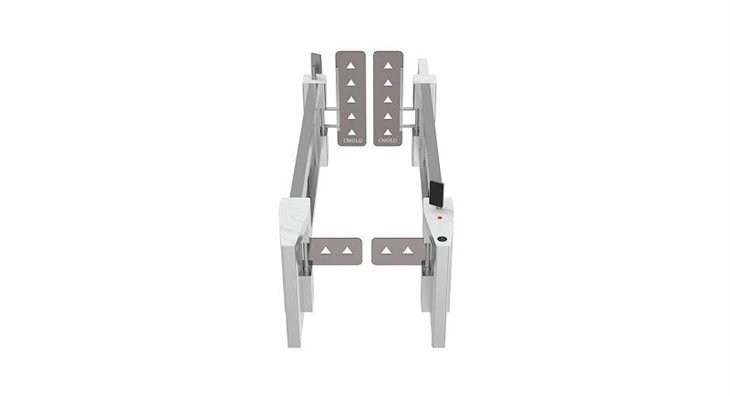

In contrast, modern biometric technologies such as fingerprint and face recognition offer much faster access. Face Recognition Fingerprint Airport Turnstile systems can recognize a user's identity in a fraction of a second. High - end face recognition turnstiles can complete the identification process in less than 0.5 seconds, allowing for a seamless and rapid flow of people. These technologies are not only fast but also highly accurate, reducing the chances of false rejections or unauthorized access.
Turnstile Design
The physical design of double gate turnstiles also affects the speed of passage. The width of the gates is an important consideration. Wider gates allow for a more comfortable and faster passage, especially for users carrying large items or for wheelchair - bound individuals. However, if the gates are too wide, it may increase the risk of unauthorized passage.
The opening and closing speed of the gates is another factor. Some turnstiles are designed to open and close rapidly, minimizing the time a user has to wait. These high - speed turnstiles can open and close within 0.5 to 1 second, enabling a quick flow of people. In contrast, slower - moving turnstiles may take 2 to 3 seconds to complete the opening and closing process, which can accumulate and cause bottlenecks during peak hours.
Measuring Passage Speed
To accurately measure the speed of passage through double gate turnstiles, several methods can be employed. One common approach is to use time - motion studies. In this method, observers record the time it takes for a sample of users to pass through the turnstiles. The data collected is then analyzed to determine the average passage time, as well as the minimum and maximum times.
Another method is to use automated sensors. Modern turnstiles are often equipped with sensors that can detect the entry and exit of users. These sensors can record the exact time when a user enters and leaves the turnstile, providing precise data on the passage speed. By analyzing the data from multiple users over a period of time, it's possible to identify trends and areas for improvement.
Importance of Passage Speed in Different Settings
Airports
In airports, the speed of passage through turnstiles is of utmost importance. With thousands of passengers passing through security checkpoints every day, any delay can lead to long queues and frustrated travelers. Airport Security Swing Turnstile E - gate systems are designed to balance security and efficiency. Fast - acting turnstiles with advanced access technologies can ensure that passengers can move through the checkpoints quickly, reducing the overall waiting time and improving the travel experience.
Office Buildings
In office buildings, passage speed affects the daily operations of employees. During peak hours, such as the start and end of the workday, a large number of employees need to enter and exit the building. Slow - moving turnstiles can cause congestion and delays, leading to inefficiencies. By installing high - speed turnstiles with reliable access technologies, companies can ensure a smooth flow of employees, improving productivity and reducing stress.
Stadiums and Event Venues
Stadiums and event venues often experience large crowds entering and exiting within a short period of time. The speed of passage through turnstiles directly impacts the overall experience of the attendees. Fast - access turnstiles can prevent long queues and ensure that fans can quickly enter the venue and find their seats. This not only enhances the enjoyment of the event but also improves safety by reducing the risk of overcrowding.
Optimizing Passage Speed
As a double gate turnstiles supplier, we offer several solutions to optimize the speed of passage. Firstly, we recommend the use of advanced access technologies. Biometric systems, such as face and fingerprint recognition, provide fast and accurate access, significantly reducing the passage time. Our Face Recognition Fingerprint Airport Turnstile is a prime example of a high - performance access solution.
Secondly, we focus on the design of our turnstiles. Our turnstiles are engineered to have a wide range of opening and closing speeds, allowing customers to choose the option that best suits their needs. We also offer customizable gate widths to accommodate different user requirements.
Finally, we provide comprehensive training and support to our customers. By ensuring that users are familiar with the access process and the operation of the turnstiles, we can minimize the time wasted due to confusion or improper use.
Conclusion
The speed of passage through double gate turnstiles is a complex but important concept that has a significant impact on the efficiency and security of various access control systems. As a supplier, we are committed to providing high - quality turnstiles that offer fast, reliable, and secure access. Whether you're an airport operator, an office building manager, or a venue owner, choosing the right turnstiles can make a world of difference in the flow of people.
If you're interested in learning more about our double gate turnstiles and how they can optimize the speed of passage in your facility, we invite you to contact us for a detailed consultation. Our team of experts is ready to work with you to find the best solutions for your specific needs.
References
- "Access Control Systems: A Comprehensive Guide" by John Doe
- "Biometric Technologies in Access Control" by Jane Smith
- Industry reports on turnstile technology and performance from leading research firms.


