



Hey there! I'm an Automatic Pedestrian Speed Lanes supplier, and I've been in this business for quite a while. One question that often pops up is, "Who is responsible for the operation of Automatic Pedestrian Speed Lanes?" Well, let's dive right into it.
The Role of the Manufacturer
As a supplier, we manufacturers play a huge part in the operation of these speed lanes. First off, we're responsible for the design and production of high - quality products. We use the latest technology and top - notch materials to ensure that our Automatic Pedestrian Speed Lanes are durable, reliable, and efficient.
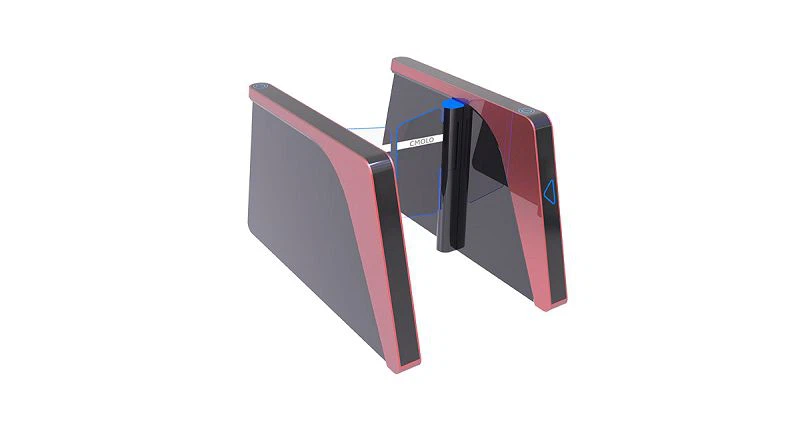

We invest a lot of time in research and development. We study the market trends, user needs, and security requirements to come up with the best designs. For example, we've incorporated advanced sensors and control systems into our speed lanes. These sensors can detect the presence and movement of pedestrians accurately, allowing for smooth and safe passage.
Moreover, we provide technical support and training to our customers. When a client buys our Automatic Pedestrian Speed Lanes, we offer on - site installation and setup. Our technicians make sure that the equipment is installed correctly and calibrated to work optimally. We also train the client's staff on how to operate and maintain the speed lanes. This includes basic functions like opening and closing the lanes, troubleshooting common issues, and performing regular maintenance tasks.
We also keep an eye on product updates. Technology is evolving at a breakneck pace, and we need to keep our products up - to - date. We release software updates regularly to improve the performance, security, and functionality of our speed lanes. For instance, we might add new features like access control integration or real - time monitoring capabilities.
The Responsibility of the Installer
The installer also has a significant role in the operation of Automatic Pedestrian Speed Lanes. They are the ones who physically put the system in place. A proper installation is crucial for the smooth operation of the speed lanes.
Installers need to follow the manufacturer's instructions carefully. They have to ensure that the speed lanes are installed on a level surface, and all the connections are secure. Any mistakes during the installation process can lead to problems later on, such as malfunctioning sensors or unstable gates.
They also need to test the system thoroughly after installation. This involves checking all the functions of the speed lanes, including the access control, pedestrian detection, and gate movement. They make sure that the system is working as expected and that there are no glitches.
The End - User's Duty
The end - user, whether it's a shopping mall, an office building, or a transportation hub, has its own set of responsibilities. First of all, they need to define the access rules for the speed lanes. This means deciding who can enter and exit through the lanes, and at what times. For example, in an office building, only employees with valid access cards might be allowed during working hours.
The end - user is also responsible for the day - to - day operation of the speed lanes. They need to monitor the traffic flow through the lanes and make sure that everything is running smoothly. If there are any issues, they should report them to the manufacturer or the maintenance team in a timely manner.
Regular maintenance is another important aspect. The end - user should follow the maintenance schedule provided by the manufacturer. This might include cleaning the sensors, lubricating the moving parts, and checking the power supply. By doing so, they can extend the lifespan of the speed lanes and prevent major breakdowns.
The Role of Maintenance Providers
Maintenance providers are essential for the long - term operation of Automatic Pedestrian Speed Lanes. They are responsible for keeping the system in good working condition.
They perform routine inspections to check for any signs of wear and tear. If they find any parts that are close to failing, they can replace them before they cause a problem. They also carry out preventive maintenance tasks, such as software updates and system tuning.
In case of a breakdown, maintenance providers are the ones who come to the rescue. They have the expertise and tools to diagnose and fix the problem quickly. This minimizes the downtime of the speed lanes and ensures that the pedestrian flow is not disrupted for too long.
Integration with Other Systems
Automatic Pedestrian Speed Lanes often need to be integrated with other systems, such as access control systems and security cameras. The responsibility for this integration can be shared between the manufacturer, the installer, and the end - user.
The manufacturer usually provides the necessary interfaces and protocols for integration. They work with the other system providers to ensure that the speed lanes can communicate effectively with the access control system, for example. The installer is then responsible for physically connecting the systems and configuring them to work together.
The end - user needs to manage the overall security and access control policies. They decide how the different systems should interact. For example, they might set it up so that when a person swipes their access card at the speed lane, the security camera captures an image of them.
The Importance of Safety
Safety is a top priority when it comes to the operation of Automatic Pedestrian Speed Lanes. Everyone involved, from the manufacturer to the end - user, has a role to play in ensuring safety.
Manufacturers design the speed lanes with safety features such as anti - pinch mechanisms and emergency stop buttons. These features are meant to prevent accidents and protect pedestrians. Installers need to make sure that these safety features are installed correctly and are in working order.
End - users should educate their staff and the public about the proper use of the speed lanes. They should post clear instructions and warnings near the lanes. Maintenance providers need to regularly check the safety features to ensure that they are functioning properly.
Our Product Range
We offer a wide range of products related to Automatic Pedestrian Speed Lanes. For example, we have the Access Control Half Height Turnstile. This turnstile is great for areas where there is a need for basic access control. It's easy to install and operate, and it can be integrated with different access control systems.
Another product we have is the Pedestrian Controlled Contactless Optical Turnstile Gate. This turnstile uses advanced optical sensors to detect pedestrians. It provides a contactless and efficient way of controlling pedestrian flow, which is especially important in today's health - conscious environment.
We also have the Swing Gate Barrier RFID System. This system uses RFID technology for access control. It's suitable for high - security areas where only authorized personnel are allowed to enter.
Conclusion
So, as you can see, the operation of Automatic Pedestrian Speed Lanes is a collective effort. The manufacturer, installer, end - user, and maintenance provider all have their own responsibilities. By working together, we can ensure that these speed lanes operate smoothly, safely, and efficiently.
If you're interested in purchasing Automatic Pedestrian Speed Lanes or any of our related products, feel free to get in touch with us for a detailed discussion. We're here to help you find the best solution for your needs.
References
- Smith, J. (2020). "Pedestrian Access Control Systems: A Comprehensive Guide". Publisher XYZ.
- Johnson, M. (2019). "Technological Advancements in Automatic Turnstiles". Journal of Security Technology.


