1. Major transit hubs are experiencing traffic problems.
One may say that the traffic features of crowded transportation hubs sum up as "high density, fast pace, and diversity." High density is the dense flow of people during peak hours, with hundreds of people gathering per square meter; fast pace requires a fast and smooth passage process to minimize passenger waiting time; diversification is shown in many aspects, including passenger identity, luggage carrying, and travel purposes. These features taken together provide a great obstacle to the system for managing access control: how to guarantee effective passage while preserving security and order?
2. Rotary turnstile design benefits
With its original design concept and sophisticated technology, the modern rotary gate efficiently solves the foregoing difficulties. The following features primarily showcase the design merits:
Effective capacity for traffic: The mechanical structural design of the rotary gate allows the gate rod to rotate rapidly and fluidly, resulting in a drastic reduction in the single pass time. This fast response capacity is especially crucial during peak hours since it can efficiently lower passenger waiting times and raise general traffic efficiency.
Intelligent identification technology: Multiple intelligent recognition technologies-including facial recognition, QR code scanning, RFID card reading, etc.-are combined in the state-of-the-art rotary gate. By rapidly and precisely identifying passengers' identity information, these technologies enable contactless travel, therefore improving security as well as transit speed.
Adaptable and configurable: Actual needs allow one-way or two-way traffic mode, width, height, and turnstile customizing to fit. This adaptability helps turnstiles fit the particular requirements of various transit hubs, whether they are large waiting areas or small passageways; therefore, it helps determine the most appropriate option.
Multiple safety prevention measures, including anti-pinch sensors, emergency stop buttons, overload protection devices, etc., are included in the turnstile. These systems guarantee the gate's safety under heavy traffic and can react fast even in case of unusual circumstances, therefore shielding the passengers from injury.
3. Innovative rotating turnstile response techniques
The innovative turnstiles have used the following particular approaches in response to the difficulties of heavy traffic at major transportation hubs:
Optimize layout and quantity. In important sections of transportation hubs, like entrances and exits, transfer channels, etc., reasonably plan turnstiles and change the number of turnstiles in a timely manner depending on the amount of pedestrian traffic. Make sure people may easily locate the passage and shorten line waiting times by means of scientific planning.
Apply diversionary strategies: Turnstiles' one- or two-way traffic method of operation will help you properly control diversion. For instance, arranging one-way turnstiles at the entrance will help visitors enter the station in a neat way; Install bidirectional turnstiles at the exit or transfer passageway to let users choose the travel path most fit for their needs.
Complete intelligent system: To accomplish real-time data interchange, combine the turnstile with the intelligent management system of the transportation hub. Understanding passenger travel patterns and needs and gathering and evaluating traffic data helps provide a scientific basis for the best gate architecture and traffic strategy optimization.
Strengthen service and maintenance. Create a thorough maintenance schedule for rotary turnstiles, guarantee turnstile normal operation by means of routine equipment inspections and repairs, and so assure Simultaneously improve passenger satisfaction, offer first-rate customer service, and quickly address issues customers run across throughout operation.
4. The practical influence of modern rotary turnstiles
Modern turnstiles have shown notable performance in the pragmatic use of crowded transportation terminals. By adding turnstiles and improving the layout in a large train station, traffic efficiency during peak hours has risen by more than 30%, and passenger waiting times have noticeably dropped. Simultaneously, the intelligent identification technology and turnstile safety protection mechanism enhance passenger safety and order, improving the general impression and service quality of the station.
Furthermore, the clever management feature of modern turnstiles has made running transportation hubs convenient. By means of real-time data interchange and analysis, managers can more precisely grasp the travel needs and behavior patterns of consumers, therefore supporting the formulation of more scientific operational strategies.
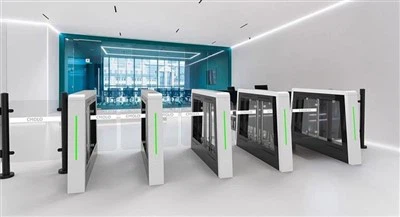
Office Security Speed Gate Turnstile


WhatsApp : 0086-15999546575
Skype : cmolo.joy
Email : contact@cmolo.com
Tel : 0086-15999546575
CMOLO Industrial Park,NO. 144-1, Hengping Road,Henggang Street, Longgang District, Shenzhen City, China