1. The design and choice of materials should be maximized.
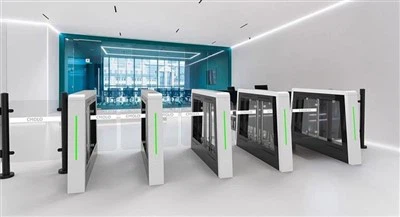
Rotary turnstile structural design should take their usage environment and functional requirements into account. For unattended and high-security needs, for instance, full-height turnstiles are appropriate because of their robust construction and excellent impact resistance; half-height turnstiles are more suited for environments where managing pedestrian flow is a priority. To prevent structural problems from causing failures, the design should ensure the firmly coupled and structurally stable parts of the gate.
Content choice: High-strength, corrosion-resistant materials like stainless steel, aluminum alloy, etc., should form the major parts of the gate. These materials possess good mechanical qualities and efficiently prevent outside environmental deterioration, thereby prolonging the gate's service life. Products with consistent quality and dependable performance should be used for important parts like motors and transmission systems in the meantime.
2. Consolidate daily care and maintenance.
Maintaining the stable operation of the gate depends mostly on its regular cleaning and maintenance. Avoid the use of cleaning agents, including acidic or corrosive components; a soft cloth dipped in a suitable amount of cleaning agent should be used to wipe the gate housing and channel parts during cleaning. Special attention should be given to avoiding the use of harsh items or water cleaning for stainless steel gate casings to prevent surface damage or electrical system short circuits.
Lubrication upkeep: To lower friction and wear on the gate's important parts-rollers, the transmission system, and other components-regular lubrication is vital. Apply an appropriate quantity of lubricant evenly to every part that requires it. Simultaneously, replace lubricants promptly and routinely inspect the lubrication state.
Functional examination: Maintaining the normal operation of the gate depends on routinely verifying its several purposes. Along with the connection state of the electrical system, the examination covers the operating state of sensors, conveyor belts, door leaves, and other components. Should any aberrant condition arise, quick troubleshooting and remedy should follow.
3. Regarding reasonable installation and usage
Setting of installation: As much as possible, the gate's installation surroundings should stay away from outside or corrosive humid situations. Should it be positioned outside, waterproof treatment should be done, and protective gear like sunshades should be placed. Simultaneously, the gate's installation location should provide flawless passage and prevent running into other objects in collision.
Apply the recommended running techniques when operating the gate. To prevent equipment damage, for instance, wait until the traffic signal turns green; avoid forcefully pushing or colliding with the gate during passage to prevent needless impact on the gate.
Load management: Due to its restricted load capacity, the gate should not exceed its rated load during operation. We advise travelers with bulky bags or goods to use alternative pathways or take other action to ensure the gate operates regularly.
4. Frequent renovations and improvements
Software update: Given the constant advancements in technology, it is crucial to regularly update and improve the gate's software system. Software updates enhance turnstile security and performance by addressing identified flaws and vulnerabilities. Before upgrading the software, ensure that the new version of the program is compatible with the gate equipment.
Hardware modification can be considered to raise the performance of gates that have been in operation for a long time and show declining performance. For instance, you could consider replacing outdated transmission systems with more modern ones or upgrading to more efficient motors. These remodeling projects will make the gate's durability and stability much better.
5. Create a thorough system of maintenance management.
Create a maintenance schedule: Create a thorough maintenance schedule depending on gate use and manufacturer advice. Regular cleaning, lubrication, functional checks, etc., should all be part of the maintenance schedule; it also helps to define the accountable parties and completion date for every maintenance activity.
Training and maintenance staff members: Give staff members in charge of gate maintenance professional training so they may raise their degree of maintenance proficiency. The structural ideas, maintenance techniques, troubleshooting abilities, etc., of the gate ought to be part of the training materials.
Create thorough records of the gate's maintenance state, including maintenance time, maintenance content, maintenance results, and other data. For later maintenance and fault analysis, these records are essential sources of information.
Strengthen monitoring and safety control.
Install security equipment, including surveillance cameras close to the gate, to instantly track gate action. This procedure not only guarantees early identification and management of gate issues but also greatly helps to stop security events, including unauthorized access.
Managing permission: Control the gate's usage rights strictly to guarantee that only authorized staff members can run it. Password setting, fingerprint recognition, facial recognition, and other techniques assist in achieving this goal.
Create an emergency reaction strategy for gate faults, explaining the handling policies and accountable personnel in case of problems. Simultaneous with this, frequent emergency drills should be scheduled to improve response capacity to unanticipated situations.


WhatsApp : 0086-15999546575
Skype : cmolo.joy
Email : contact@cmolo.com
Tel : 0086-15999546575
CMOLO Industrial Park,NO. 144-1, Hengping Road,Henggang Street, Longgang District, Shenzhen City, China