



In today's security - conscious world, the safety of access control systems is of utmost concern. As a supplier of Retractable Flap Barrier Systems, I am often asked about the safety aspects of these innovative security solutions. In this blog, I will delve into the various safety features and considerations of retractable flap barrier systems to answer the question: Is a retractable flap barrier system safe?
Understanding Retractable Flap Barrier Systems
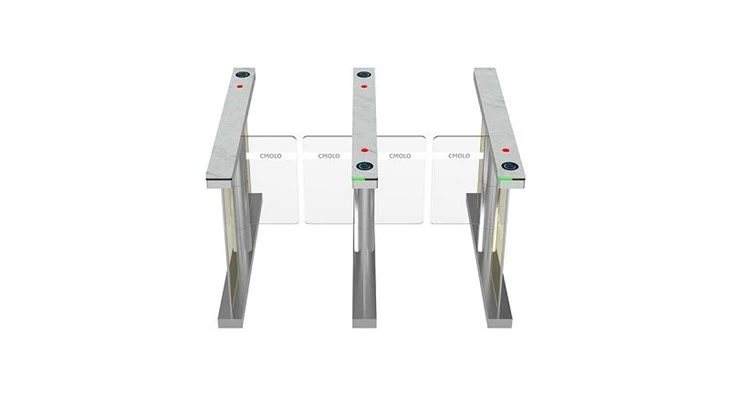
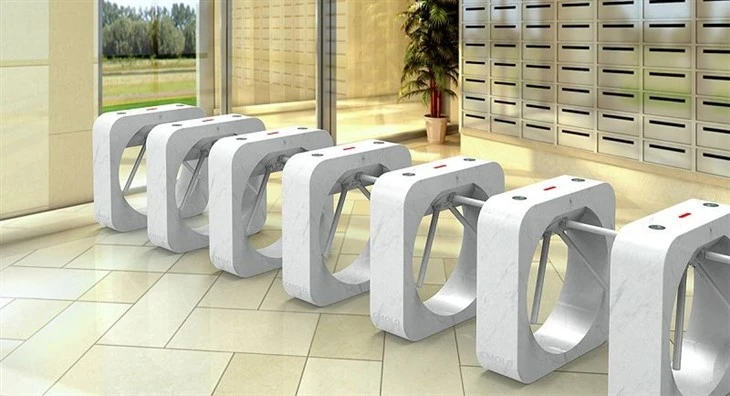
Retractable flap barrier systems are a type of access control turnstile that uses retractable flaps to regulate the flow of people. These barriers are commonly used in a variety of settings such as office buildings, schools, transportation hubs, and stadiums. They offer a more flexible and modern alternative to traditional turnstiles, such as the Tripod Turnstile with Card Reader.
The main advantage of retractable flap barriers is their ability to provide a smooth and seamless passage for authorized personnel. The flaps retract quickly when an access card is presented, allowing people to pass through without having to physically push or turn a bar. This not only enhances the user experience but also reduces the risk of physical injury compared to more rigid turnstile designs.
Safety Features of Retractable Flap Barrier Systems
1. Anti - trapping Technology
One of the key safety features of retractable flap barrier systems is anti - trapping technology. This technology is designed to prevent the flaps from closing on a person or object. Most modern retractable flap barriers are equipped with sensors that detect the presence of an object in the path of the closing flap. If an object is detected, the flaps will immediately stop closing and may even reverse direction to release the trapped object. This significantly reduces the risk of accidental injury, especially for children or elderly people who may be more vulnerable to trapping.
2. Speed Control
Another important safety feature is speed control. Retractable flap barrier systems are designed to operate at a controlled speed when the flaps are opening and closing. This ensures that the movement is not too sudden or forceful, which could potentially cause injury to the users. The speed control mechanism can be adjusted according to the specific requirements of the installation site, taking into account factors such as the volume of traffic and the type of users.
3. Emergency Release
In case of an emergency, such as a fire or power outage, retractable flap barrier systems are equipped with an emergency release mechanism. This allows the flaps to open freely, providing a clear and unrestricted exit path for people in the building. The emergency release can be activated manually using a switch or automatically triggered by a fire alarm system.
4. Sturdy Construction
Retractable flap barrier systems are typically built with high - quality materials and a sturdy construction. The frames are made of durable metals such as stainless steel or aluminum, which can withstand a certain amount of physical impact. The flaps themselves are also designed to be strong and resistant to damage. This robust construction ensures that the barriers can maintain their functionality and safety even in demanding environments.
Safety in Different Use Cases
1. High - Traffic Areas
In high - traffic areas such as subway stations or large office buildings, retractable flap barrier systems need to handle a large number of people passing through in a short period of time. The safety features mentioned above, such as anti - trapping technology and speed control, are crucial in these situations. The barriers must be able to open and close quickly enough to keep the flow of traffic moving smoothly, while still ensuring the safety of the users.
For example, in a subway station, thousands of passengers may pass through the turnstiles during peak hours. The retractable flap barriers need to be able to detect and prevent any potential trapping incidents, especially when passengers are rushing to catch a train. The speed control feature ensures that the flaps do not close too quickly on passengers, which could cause them to trip or fall.
2. Bi - directional Traffic
Some retractable flap barrier systems are designed to handle bi - directional traffic, similar to the Bi - directional Swing Barrier Turnstile. This means that people can enter and exit through the same barrier. In such cases, the safety of the system becomes even more important, as there is a higher risk of collisions between people moving in opposite directions.
To address this issue, these bi - directional barrier systems are equipped with advanced sensors and control algorithms. The sensors can detect the direction of travel of the users and ensure that the flaps open and close accordingly. This reduces the risk of confusion and accidents, providing a safe and efficient passage for both inbound and outbound traffic.
3. Access Control in Restricted Areas
In restricted areas such as data centers or research facilities, retractable flap barrier systems not only provide access control but also play a crucial role in ensuring the safety of the premises. The barriers are linked to the access control system, which can only be accessed by authorized personnel. This helps to prevent unauthorized entry, which could pose a security threat to the sensitive information or equipment in the area.
In addition, the safety features of the retractable flap barrier systems, such as anti - trapping and emergency release, are still important in these settings. In case of an emergency evacuation, the barriers need to open quickly to allow the people inside the restricted area to exit safely.
Safety Compared to Other Turnstile Types
When comparing retractable flap barrier systems with other types of turnstiles, such as the Tripod Turnstile with Card Reader or the Access Control Speed Gate Turnstile, there are some notable safety differences.
Traditional tripod turnstiles may require users to physically push the bar to pass through, which could potentially cause injury if the user is not careful or if the turnstile is malfunctioning. In contrast, retractable flap barriers offer a more passive and user - friendly access experience. The flaps open automatically when access is granted, reducing the risk of physical contact and injury.
Speed gate turnstiles are known for their fast - opening and closing times, which is suitable for high - traffic areas. However, if not properly designed and maintained, the high - speed movement of the gates could pose a safety risk. Retractable flap barrier systems, on the other hand, have a more controlled and gradual movement, which is generally considered safer for users.
Maintenance and Safety
To ensure the ongoing safety of retractable flap barrier systems, regular maintenance is essential. This includes checking the sensors, motors, and control systems for proper operation. Any signs of wear and tear, such as loose flaps or malfunctioning sensors, should be addressed immediately.
A well - maintained retractable flap barrier system will continue to provide reliable access control and safety. It is also important to follow the manufacturer's recommended maintenance schedule and procedures to keep the system in optimal condition.
Conclusion
In conclusion, retractable flap barrier systems are a safe and reliable solution for access control in a wide range of settings. They are equipped with a variety of safety features, such as anti - trapping technology, speed control, emergency release, and sturdy construction, which help to protect the users from potential injury.
When compared to other types of turnstiles, retractable flap barriers offer a more user - friendly and safer access experience. However, to ensure their long - term safety and functionality, regular maintenance is crucial.
If you are considering installing a retractable flap barrier system for your access control needs, I encourage you to reach out and discuss your requirements with our team. We are a leading supplier of high - quality retractable flap barrier systems, and we can provide you with the best solutions tailored to your specific needs. Let's work together to enhance the safety and security of your premises.
References
- "Access Control Systems: A Guide to Selection and Installation", Security Industry Association
- "Safety Standards for Turnstiles and Barriers", International Organization for Standardization (ISO)


