一,Technical Implementation Path: From Adapting Hardware to Closing the Data Loop
1. A big change at the hardware level
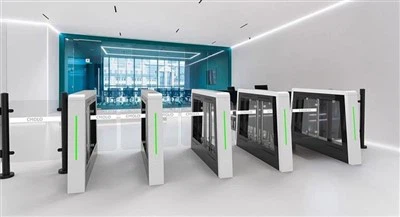
The turnstile and electronic ticket system must work together as a physical access control device, however there are three main technical problems that need to be solved:
Standardising communication protocols: RS232/RS485 serial communication is common in older turnstiles, but TCP/IP protocol is more common in newer electronic ticketing systems. Real-time data interchange between the gate and cloud servers is possible with the installation of industrial-grade connectivity modules. For instance, the Anxinyou ticketing system has worked with common API interfaces to seamlessly connect with popular devices including three roller gates, swing gates, and wing gates. The time it takes to send data is kept to a minimum of 50ms.
Ability to recognise several credentials: Modern entry methods for visitors have different requirements, like support for QR codes, ID cards with NFC, and facial recognition. For example, when renovating a certain tourist destination in Changsha, high-precision scanning modules and 3D structured light cameras were put on the turnstile. This made it possible to quickly check 30 persons per second with an error rate of less than 0.01%.
For situations like network outages, the gateway needs to be able to store data locally so that it can recover from disasters. To make sure that data is always accurate, a smart scenic spot system uses "dual cache+timestamp" technology to automatically sync verification records when the network is down and then back up again.
2. Logical rebuilding of software systems
The electronic ticketing system needs to finish changing from "simple ticketing" to "full process control":
The ticketing rule engine takes complicated rules like ticket type, validity duration, usage frequency, and regional permissions and turns them into logical modules that may be changed. For instance, a certain theme park system provides a mix of "one ticket for all" and "zone based charging." This lets the gate and ticketing system talk to each other in real time to give tourists exact entry permits.
Dynamic data synchronisation: Using message queue technology to keep ticketing data and gate status in sync in real time. After the tourist buys the ticket, the system delivers the ticket information (including a unique number and verification status) to the right gate right away. This is to stop false interception that could happen because of a delay in sending the information.
Exception handling mechanism: The system needs to set up a multi-level warning system to deal with dangers like scalping tickets and people entering the park too many times. A 5A level scenic place can use behaviour analysis algorithms to find strange traffic patterns, like many entries and exits in a short amount of time, and then start a manual review procedure.
二, Solving problems in the industry: from integrating technology to making money
1. Solving the issue of "data silos"
Traditional tourist attractions generally have the problem of having separate ticketing systems, gate equipment, and methods for tracking visitor movement. By combining software and hardware, it is possible to combine three main types of data:
Passenger flow heat map: By combining gate traffic statistics with GPS positioning data, you can make real-time maps of how many people are in the park, which can help you plan how to use your resources.
Ticketing analysis model: By mining and checking the data for information about time, space, and ticket types, a picture of how tourists behave is made. A specific cultural and tourism group employed this technology to boost the rate of secondary consumption by 27%.
Real-time monitoring of the gate motor's temperature, number of passes, and other characteristics is part of equipment health management. Predictive maintenance cuts down on equipment failure by 40%.
2. Dealing with problems during busy hours
The system needs to be able to grow in a flexible way during times of high passenger flow, including during holidays:
Dynamic channel allocation: Change the number of gate openings automatically dependent on how many people are waiting in queue at the time. A big amusement park employed this technology to cut the time it took to get in from 45 minutes to 12 minutes during the National Day vacation.
Multi-level verification system: Use a two-layer system of "remote pre-inspection + near-end precision inspection," set up a fast track at the park's entry, and use high-precision gates in the core region to balance traffic flow and security.
Managing emergency plans: When the system load goes over a certain level, it automatically switches to simplified verification mode, which just checks the validity of ticket kinds. This makes sure that fundamental services are always available.
三, Common uses: from a small tourist area to an industrial ecosystem
1. The world of tourism
The turnstile in the cross scenic spot ticket system needs to be able to manage permissions for many parks. A provincial-level tourism platform has put in place the "one ticket for 30 scenic spots" feature by using a distributed ticketing system. The gate also changes the regulations for checking tickets dependent on where travellers are.
2. A cultural and tourism complex
The system needs to fully integrate ticketing and membership systems for compound parks that have hotels, catering, and performing arts, among other things. Turnstiles connect a specified resort area to the CRM system, which lets customers come and go from places like hotels and hot springs by recognising their faces. People who aren't visitors have to buy the right packages, which raises the amount of secondary consumption.
3. Adjusting to unique situations
Accessibility: To show that you care about people, design wide channel gates for persons with disabilities and add voice prompts and vibration feedback.
Large item channel: Put in adjustable gates in the logistics park to find a good balance between controlling people and moving cargo.
Extreme uses in the environment: With IP65 protection level equipment, it works well in tough places like plateaus and deserts. For three years in a row, a certain scenic area project in the northwest has been going without any problems.


WhatsApp : 0086-15999546575
Skype : cmolo.joy
Email : contact@cmolo.com
Tel : 0086-15999546575
CMOLO Industrial Park,NO. 144-1, Hengping Road,Henggang Street, Longgang District, Shenzhen City, China