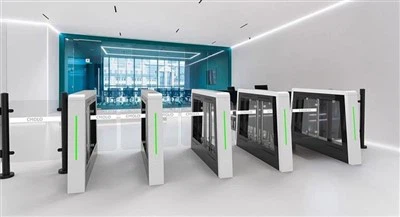
Advanced drive systems and high-efficiency, energy-saving motors are features of the modern rotary gate. While the new motor significantly increases energy conversion efficiency by optimizing electromagnetic design and employing high-performance materials, the conventional rotary gate motor may have problems with enormous energy consumption and low efficiency. Some turnstiles, for instance, feature permanent magnet synchronous motors-which have better power factor and efficiency than conventional asynchronous motors and can help to lower running energy loss. Simultaneously, sophisticated drive systems can intelligently adjust the motor's output power based on the gate's actual operating conditions, thereby reducing unnecessary energy waste. The drive system will automatically cut the motor's power consumption and enter low-power mode while the gate is in standby mode; it will react fast enough to force the gate to spin when pedestrians walk by.
Intelligent detection and automatic stop-through
Among the key energy-saving techniques for modern rotating turnstiles is intelligent sensor technology. The turnstile can sense pedestrian approach and departure in real time by including infrared sensors, microwave sensors, and other devices all around it. The gate automatically enters a sleep state and stops needless operation when no pedestrians pass by; it starts and rapidly opens the passage when a pedestrian is sensed approaching. It shuts and goes back to sleep mode automatically after the pedestrian passes. An effective reduction of the gate's running time by this intelligent sensing and automatic start-stop mechanism helps lower energy consumption. Actual testing shows that modern rotary turnstiles with advanced sensing technologies can save energy usage by more than thirty percent over conventional turnstiles.
Innovative turnstiles have incorporated solar-powered auxiliary devices to reduce their dependence on conventional grid electricity. Install solar panels either surrounding the gate or on top to turn solar energy into electrical energy, thereby supplying electricity for some gate operations, including sensors, indicator lights, etc. Solar power supply systems can meet the energy needs of turnstiles and lower grid-based electricity consumption in sunny regions. Solar panels can save extra power for later use even at low light levels. This solar-powered auxiliary system not only meets the energy-saving needs of green buildings but also offers environmental benefits by reducing the use of conventional energy sources, which in turn decreases their extraction.
Modern rotating turnstiles are made using recyclable and biodegradable materials. For example, the gate's outer shell can be made from recyclable materials like aluminum alloy or strong engineered plastics. When the product is disposed of, these materials can be recycled and reused, which helps reduce the need for natural resources and waste, while still being strong and durable. Some inner parts are made from rubber or biodegradable plastics, which will break down over time in the environment and reduce pollution.
The innovative rotating gate has attained lightweight design by means of structural design optimization of the gate and use of new lightweight materials. Lightweight turnstiles not only make transportation and installation more convenient, reducing energy consumption and transportation expenses, but also lower the load on the drive system during operation, further improving energy efficiency. For example, the turnstile arm made of a carbon fiber composite material decreases weight by more than 50% compared to standard metal components while efficiently maintaining strength and stiffness.
Modern turnstile coating and interior design need low volatile organic compound (VOC) materials. Conventional coating materials may spew many dangerous chemicals, including formaldehyde, benzene, etc., which would contaminate indoor air quality and endanger human health. Low-VOC materials essentially meet the criteria of green buildings for indoor environmental quality and help improve indoor air quality by releasing extremely few hazardous gases during manufacturing and usage.
Although turnstiles themselves do not directly consume a large quantity of water resources, their proper implementation in the overall building environment can have an indirect positive impact on water conservation and utilization.
Water-saving devices housed inside the structure can link and control turnstiles in some large public buildings, such as offices and retail centers. The intelligent technology may automatically modify the running parameters of water equipment in the building depending on the flow of people at the turnstile in real-time. When there are many people, for instance, automatically increasing the water output of the bathroom faucet or extending the flushing time to satisfy the needs of more people; when the pedestrian flow is low, the water output will be automatically reduced or the flushing time will be shortened to prevent waste of water resources. This intelligent linkage control system may increase the efficiency of water resource use and fairly distribute them depending on real consumption.
Effective turnstiles can rapidly and precisely manage staff passage, therefore lowering their stay time at the entrance. In some highly populated regions, a poor gate's efficiency will lead to queues and waiting among residents, therefore extending their stay duration in the building. The rise in dwell time could result in more individuals using the building's water facilities-including toilets, water dispensers, etc.-so augmenting the demand of water resources. The modern rotary gate indirectly lowers water resource use inside buildings, increases traffic efficiency, and lowers needless personnel retention.
Designed in a modular manner, the modern rotary gate breaks apart into several independent modules, including a motor module, a control module, a rotating arm module, etc. This design approach makes the gate installation process more practical and effective, thereby minimizing pollutants such as noise and dust on the building site. Standardizing modular components for manufacturing guarantees consistency and stability in product quality through factories. The workforce at the installation site only needs to assemble and debug each module to complete the gate's installation, significantly reducing the building time and minimizing the impact on the surrounding environment.
The rotating gate installation incorporated a set of green building methods. For instance, we used environmentally friendly adhesives and sealing materials instead of traditional adhesives that contain harmful substances. During the wiring and connection process, use standardized operating methods to reduce wire waste and damage; classify, collect, and dispose of the waste generated during the construction process; recycle and reuse recyclable materials; and harmlessly treat nonrecyclable materials. By following the environmental protection criteria of green buildings during the building process, these green building technologies help to minimize the negative effects of construction activities on the surroundings.
Using premium materials and cutting-edge production techniques helps the modern rotary gate to last longer. Longer service life implies less frequency of product replacement, therefore lowering the demand for fresh resources and the waste produced by product scrapping. Simultaneously, throughout the product's design process, component universality and replaceability are given full thought. We can quickly replace a failing component without changing the entire gate, thereby increasing the product's sustainability.
Improving the environmental protection features of turnstiles is an important step for construction, as it can help the entire industry become more eco-friendly. As more buildings use modern rotary turnstiles that meet green building standards, it will inspire other manufacturers of construction tools and materials to consider the environmental impact of their products. This will create a ripple effect that promotes green building practices and enhances environmental protection across the construction industry.
Pedestrian/Vehicle Shared Outdoor Swing Barrier Security Gate


WhatsApp : 0086-15999546575
Skype : cmolo.joy
Email : contact@cmolo.com
Tel : 0086-15999546575
CMOLO Industrial Park,NO. 144-1, Hengping Road,Henggang Street, Longgang District, Shenzhen City, China